Mythinks Musings #1
Lore Connections are Fake and Don't Matter

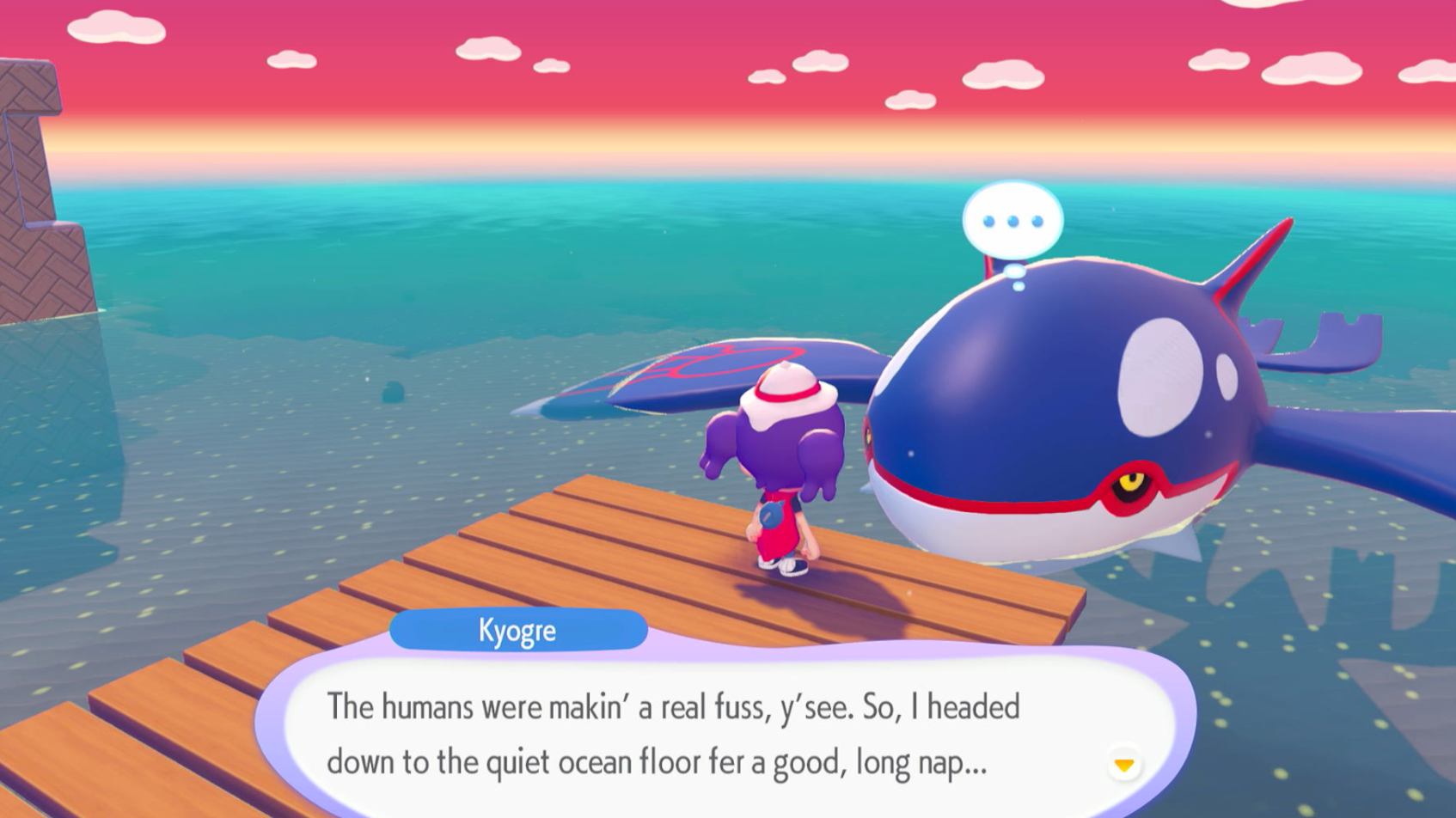
Unanswered questions. It seems those occur a lot across video games, especially in bigger, longer-running franchises. It's only natural to wonder about these things, especially for media that were formative to our childhoods, back when we were both more curious and had less immediate access to information. And while I'm furthest from the type of person to advocate for and encourage ignorance, I do feel like the age of giant wikis and information-regurgitating Youtubers has, to some extent or another, made us quite the opposite to how we were as children. We may know more, but it's left us far less curious.
If you were to absorb information about what Pokemon Pokopia is from the outside, you might think it's a massive loredump of a game. Taking place long after humans have evacuated Poke'Earth after some ecological tragedy, leaving nothing but nature to reclaim their abandoned cities. Perhaps it could even be a bridge connecting the main series with the world of Pokemon Mystery Dungeon, where humans are but a distant memory. But I think in framing a plain lighthouse stated to be what a man with a Machamp was long attempting to build for multiple generations as "a 30 year-old mystery finally solved" we've gotten lost in the weeds a bit. Where games like Pokopia are less their own, standalone stories and more just information deposits to mine all the information ore out of and refine them into information ingots, ei. summarize said information into a much more easily digestible paragraph on a wiki page or a Youtube Short 80% of its viewers will forget the contents of 24 hours from now.
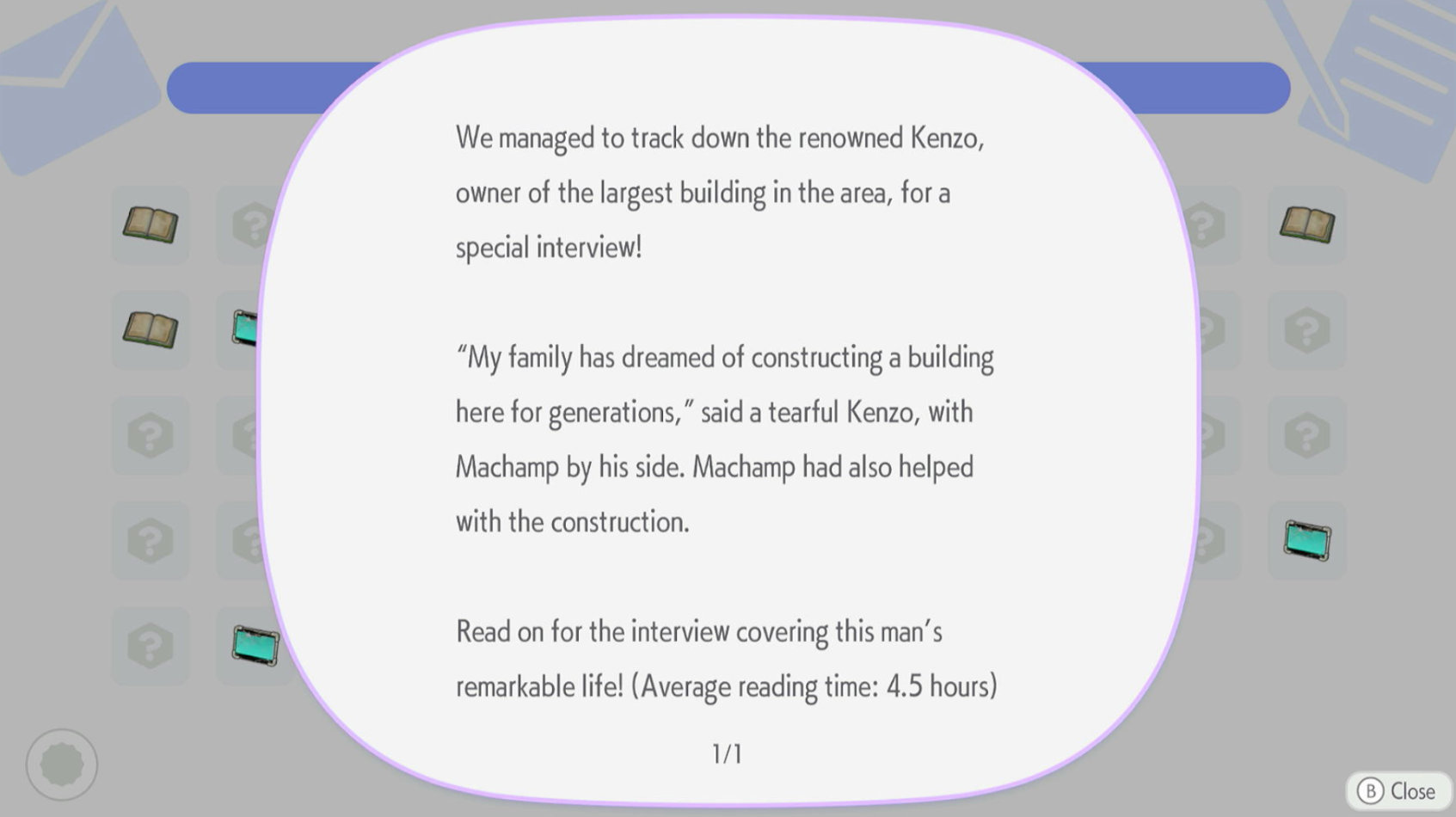
Mind you, Pokopia taking place in a post-apocalyptic Kanto is a setting that very much invites this mode of thinking, but in a lot of ways, I think being so preoccupied with the text leaves the actual substance of the story just, lying there. unengaged with. Yes, it's a hard fact that this is a Kanto long after humans have abandoned it, but what does that mean? In what ways is Pokopia using this as a vehicle to tell its actual story? Is the existence of the Machop Man's lighthouse less a fat lore drop and more a statement of the futility of man, that even after this man's struggle to build it, that it lays dilapidated with its original purpose forgotten just like the rest of humanity's remnants. Y'know, the stuff that's less of a Game Theory and more of a individualized read on the piece's themes?
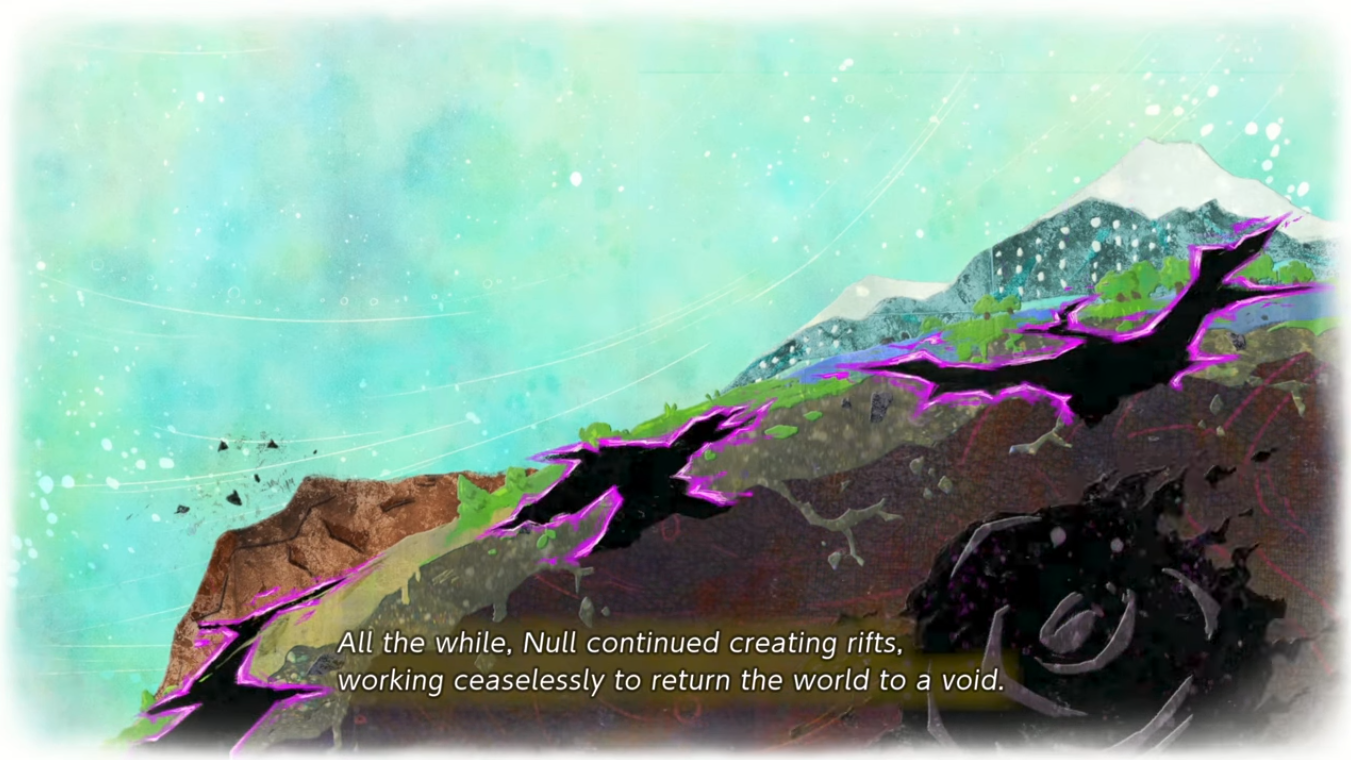
One of the first things I saw about The Legend of Zelda: Echoes of Wisdom post-release was talk about how Nintendo just dropped a colossal lore bomb that changes everything about how we're supposed to look at the larger Zelda universe. But I look inside and see people talk of the game's surprise antagonist, "Null", a being that embodies the concept of nothing itself and is constantly gnawing on all of existence for its chance to permanently erase reality again. Which on the outside sounds like a tremendous deal, but is it, really? What bearing does Null have on the plot of any other Zelda game? Breath of the Wild? Ocarina of Time? Link's Awakening? None. It might as well not exist in those games.
The concept of a "lore bomb" is already silly to me, but it really does hit home how little "lore" actually matters. Especially for a franchise like Zelda, where each and every game is almost essentially a recount of the same events over and over again. And given how much almost every Zelda game is its own self-contained story, especially with an increased resistance to acknowledge other events in the larger Zelda "timeline" apart from cameos or references, I'm not convinced.
And I think trying so hard to pry and divorce Null out of the game it was actually meant for is doing both the character and the game a disservice. Not that I'm in love with Null or Echoes of Wisdom, but I think it says a lot more about the two when they're actually in tandem with each other. Where Null exists as a natural opposite to Echoes of Wisdom's Zelda, where she creates these "Echoes" to restore existence to how it was, using her wit and problem-solving skills to save Hyrule while Null exists as an almost mindless force of nature that reduces everything to nonexistence because that's all it actually knows.
Or indeed, another thing that felt a bit telling about where Nintendo fans' priorities lie is when the leadup to Donkey Kong Bananza was met with pondering the logistics of having a child Pauline hanging out with DK. Again, as if the goal of DK was to actually be a loreful prequel to the larger Mario franchise.
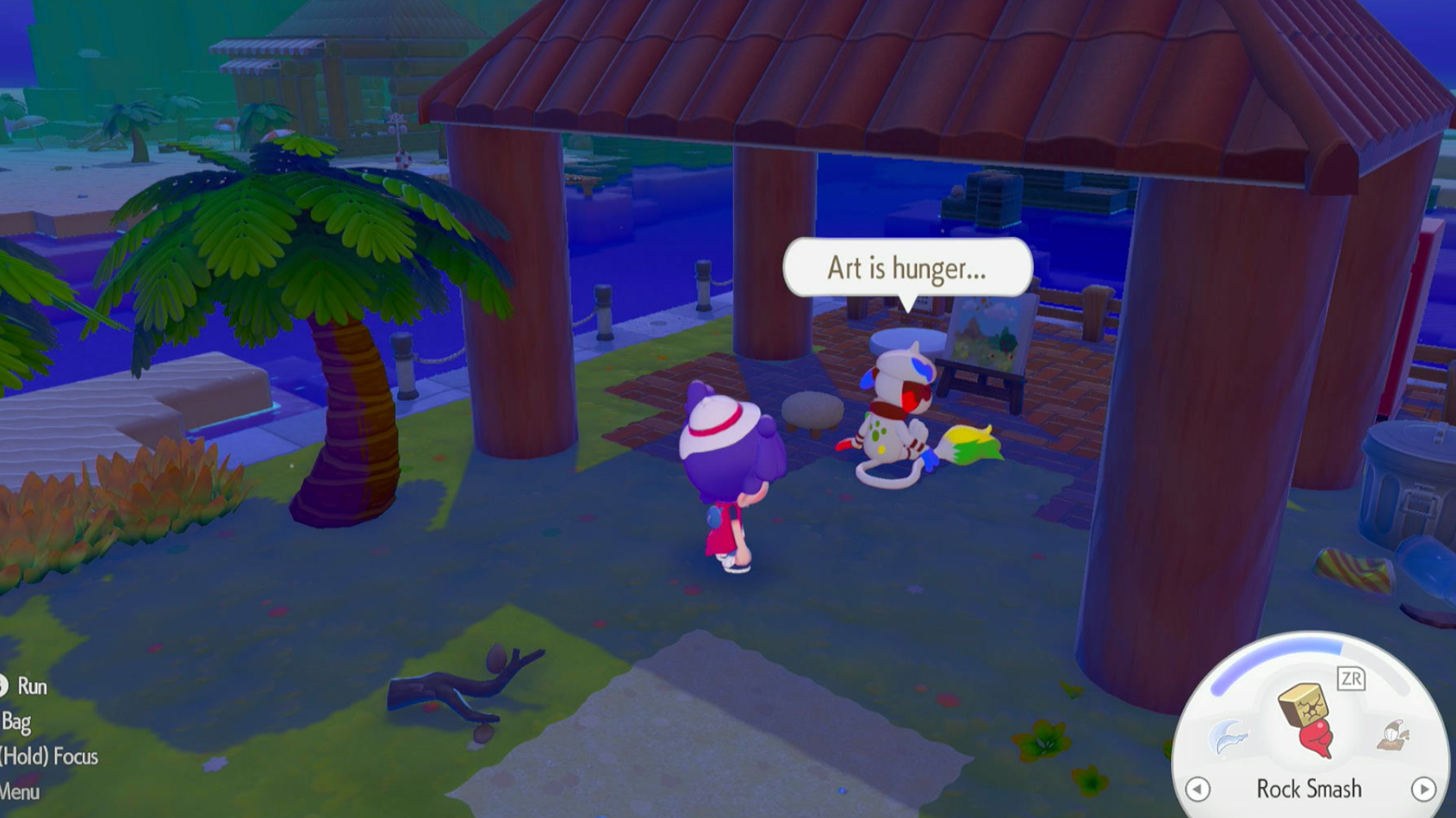
Games like Pokopia are simply subject to becoming far less interesting the more information on a wiki page is treated like gospel and less for what they actually are, which is a summary of facts about a particular subject. Especially because it ends up burying what the point Pokopia is actually making about "confirming" details by weaving it into the bigger narrative that's within Pokopia itself. To show these great landmarks that you recognize from your childhood brought to their knees thanks to mass ecological disaster that humans could have stopped but elected to avoid rather than repair. But a read like that has no place in an environment that would rather boil art down to simple and digestible base facts rather than actually feel anything.
Ongoing stories are one thing, obviously, but viewing everything as an addition to a larger universe. The MCU-ifying of all of media, is ironically making these universes only feel all the more disjointed and like a puzzle where not all the pieces can ever fit together in any way that feels all that satisfying. And I wish it was as simple as people being more willing to read into how a work makes them feel more than reading what facts can be extracted from the latest piece of consumer media. But I do think it's an attitude that's poisoned more things than this absorb-and-discard attitude people have developed toward art like this, because it's sad to say it's behavior that is very much encouraged. Or at the very least surrendered to.
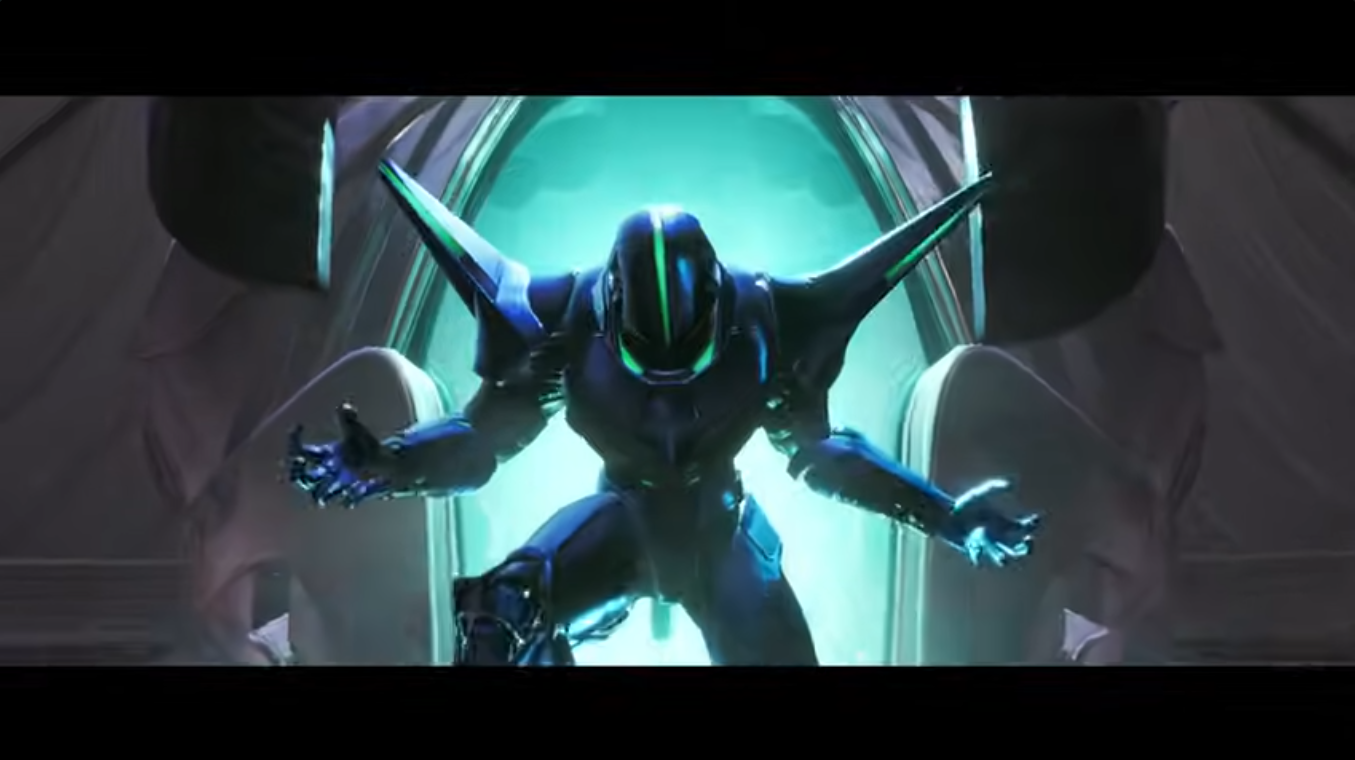
Metroid Prime 4 is a good example of a game where its story exists in the state it does because it's tried so hard to appease fan expectation. Where because Sylux, a character who was previously a playable extra in a DS spinoff, turned up in a secret ending for Metroid Prime 3: Corruption 18 entire years ago, this new one HAS to tie a loose end and include him, no matter if he's actually relevant to whatever story they had to tell there. Because it could've been easy enough to just not include him if they genuinely had no idea what to do with him. Plenty of Metroid die-hards would have complained, but given hardly anything was set up for him apart from "He exists and is up to no good", it feels silly for him to turn up with his own Metroid-driven plot only for him and the Lamorn plot to derail and distract from each other for no real gain either way. At least during the moments where Prime 4 isn't just outright forgetting Sylux exists. I hardly feel like what we got was worth the obligation of including him. But we framed him as important, so we have to dedicate a "saga" to him now, I guess.
It kind of makes me appreciate how often Pokemon will just leave large threads hanging and leading to nowhere. What exactly are Ultra Beasts or Paradox Pokemon? Maybe Gamefreak themselves don't even know for certain, and just left it open to interpretation. At most, a shrug and saying "this is what they might be, but who knows for sure." Maybe an acknowledgement that a wild imagination is gonna come up with a better answer to these questions than a simple bullet point in a trivia segment ever could. Though of course I do retract this statement if they ever do go out of their way to answer what these Pokemon are, in the future.
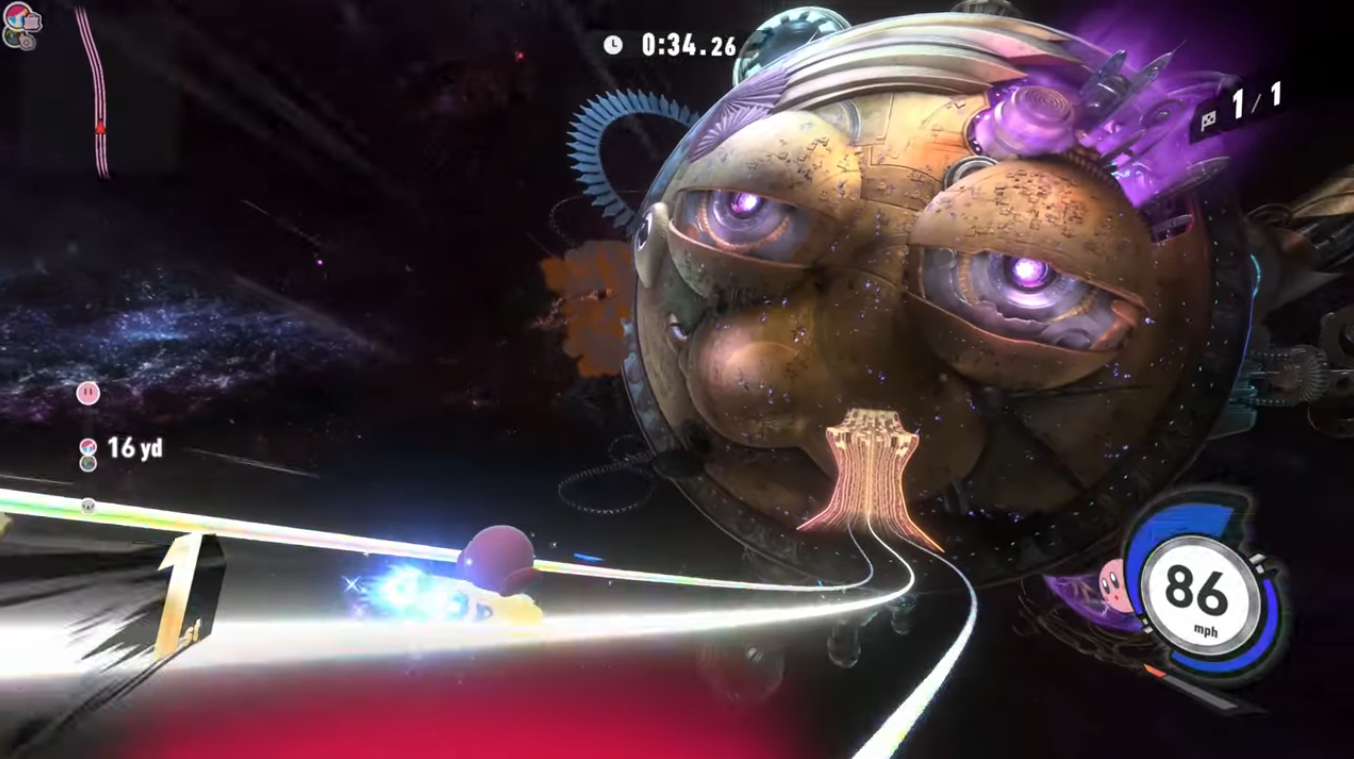
My point isn't that we can never have small little callbacks or payoffs in games that are part of larger, storied franchises. But the idea that a game in a larger franchise is going to be remembered more for its "lore contributions" rather than what it thematically resonates is a recipe for games to be picked to the bone of information before being tossed aside once the next one comes out, in an endless loop of art falling on deaf ears again and again. All I'm trying to encourage is to take a game for what it is in its own right, and what it's trying to say with its own voice, because it largely cheapens the experience to do nothing with a game but pick out bits and pieces and leave aside the rest rather than looking at the actual sum of what it is.